FROM THE OMEGA BLOG

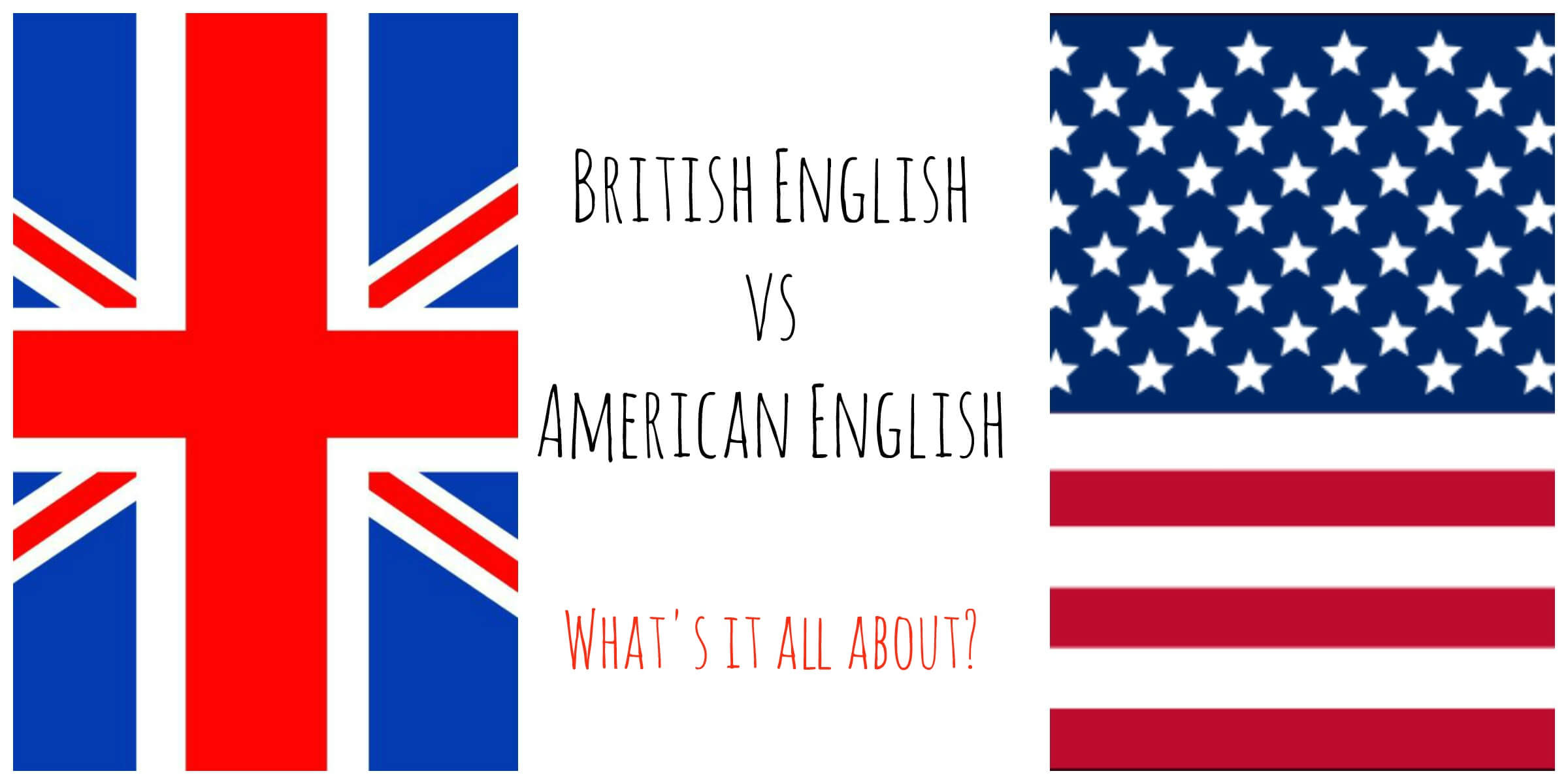
British vs. American English

British vs. American English
Have you ever found an English word in an article, for example, that was miswritten, such as theather instead of theatre? Or to get confused in the meaning because a well-known word like biscuit does not mean cookie, but something like a little bread? Well, if your answer is yes, you probably know that it's not about mistakes, but just the differences between British and American English. However, let us clarify from the outset that this is not about two different languages but about differences in pronunciation, spelling and some words. All this is perfectly normal, given that the two languages are used on different continents, under different foreign language influences and at all reasons that have led to existing differences. So you should not be afraid that if you have studied British English, in the United States you will not understand or vice versa . . . . . if you have learned the language in America, you will be lost in Britain . But it's good to be prepared for some of the most significant differences and peculiarities. This will in any case facilitate your communication, and it will enrich your vocabulary and knowledge.

Differences in pronunciation and spelling

The presence of a particularly typical difference is the u in some British words while it's absent in Americans. For example:
  • flavour - flavor
  • behaviour- behavior
  • colour-color
In these examples, the difference in pronunciation of words is especially distinct. In American English, the final r is clearly heard, unlike the darkening in the British version. Here is also the place to say that even when words are pronounced equally in both languages sometimes there is a difference in their spelling, for example: organise . Both mean the same thing, and in a conversational speech it's easy to recognize the word. But if you see it written, you may be confused or think it's a spelling error. The explanation is simply - in American English they write z instead of s at the end of some words.

Prepositions

You will surely understand what they want to say if you hear the phrase Sorry to disturb you at weekend or Sorry to disturb you on weekend. The difference in prepositions again comes from differences in the British and American language version. It's the same with one of the most popular and loved holidays in England they say. at Christmas, a in America on Christmas.

Grammar

An important example that Americans like to be easy is one of the wrong verbs. Anyone who has studied English knows that these are a group of verbs that form their shape for past tense not in the standard way with –ed, and have three distinct forms - for infinitive, past tense and past communion. Sometimes their two past forms coincide, sometimes they are different, but generally, it is simply necessary to be remembered because there is no rule and logic in their formation, at least from a modern perspective. For some of these verbs, however, in American English there is a form with –ed, for example: learn-learned, dreamt-dreamed. It is also important to know that the past communion of get in American is gotten, and in British got. When we talk about grammar, we should also note that in American English there is no form of possession have got but only have.

Different vocabulary

Here the examples are most and are probably most eloquent in terms of differences in both varieties of English. Often the same word in both countries simply means different things, for example: trainers . Trainers /am/ - sneakers /pcs/ chips - chips . . cut into very thin crisp potatoes or other vegetables /am./ - French fries chopped fat /pcs./ (1-2cm) pants - trousers; also trash slogan /am/ - pants, usually male /pcs./ One of the particularly fraying examples in this regard is however with the word coach. Be careful because American English means coaching while on the British bus. Here are some useful examples of how the same thing is meant in both countries by different words:
  • American - British
  • apartment flat - apartment
  • broil grill - grill bake
  • candy sweets - candy
  • closet Wardrobe - wardrobe
  • drug store chemists - pharmacy
  • elevator lift - elevator
If you want to learn more about the differences between the two languages, we at Language School . . . . . . . . . . . . . . . . . . . . . . . . . . . . . . . . . . . . . . . . . . . . . . . . . . . . . . . . . . . . . . . . . . . . . . . . . . . . . . . . . . . . . . . . . . . . . . . . . . . . . . . . . . . . . . . . . . . . . . . . . . and help you can'Those. . . . . . . . . . . . . . . . More about the courses we offer, you can see here https://omegals.bg/kursove/za-vyzrastni/anglijski-ezik/ or contact us Tel: 02/423 21 21; mob: 0878 566 537; email: office@omegals.bg

Take a look at this:

An unexpected error occurred. Reload 🗙