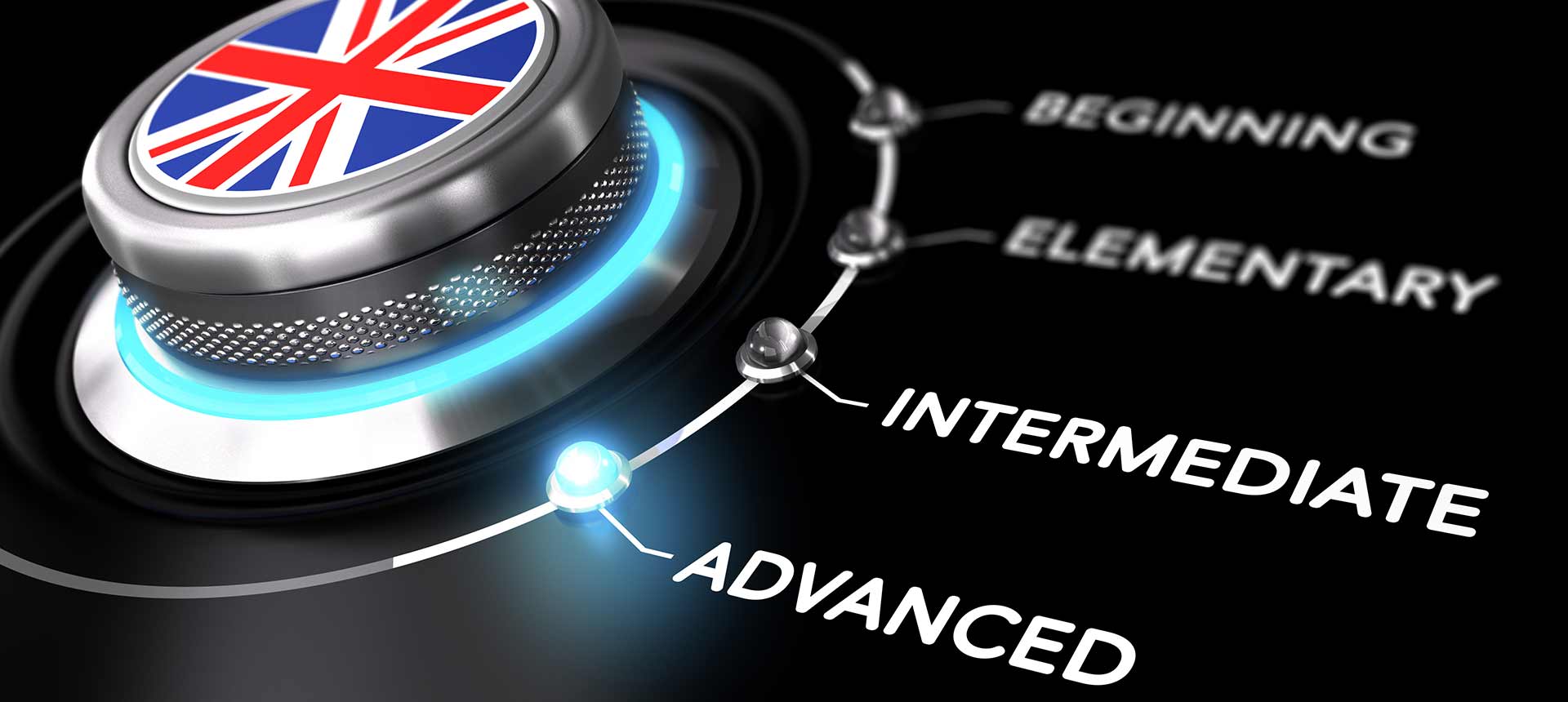
It takes a month or years to master a higher level of English? The answer can be very simple and specific if we keep in mind some small details.
1 level of English in 1 month. When is that possible?
Whether you are starting from scratch or already have some knowledge of English, it usually takes 80 to 100 hours to complete a level. The European Framework of Languages covers 6 levels of language knowledge: A1 and A2 - basic levels for beginners, B1 and B2 - levels for independent users, C1 and C2 - advanced.
We continue with the easy "accounts". If you are learning English in a language school 4 hours a day, then in 4-5 weeks, you will be able to cover one level. It is important to point out that these 4 hours a day will not be enough to learn the new material well, so it is also necessary to provide for at least two or three more hours a day to reinforce the new vocabulary and grammar rules.
Or a person who starts learning English from scratch can cover the first 3 levels and be relatively independent in communicating and understanding the foreign language in 3-4 months, i.e. to also cover level B1. Again with the stipulation that he attends every day the English courses and devotes the necessary time to learning the new material. As you can see, this is a serious full-time job. But it does sound tempting that in less than half a year a person can achieve truly enviable results.
What is really happening?
However, most of us, due to family or professional duties, do not have the opportunity to devote all this time. At best, they can enroll in an English course with a maximum of two visits per week, and these are approximately 3-4 hours a week. If we reactivate the formula "number of hours to learn English" "achieved level" means that under this new scheme will be needed about 1 academic year to acquire 1 level. Or starting from scratch, in three years you can reach master and level B1.
Correctly set goals - excellent results
It matters whether you need English to get along with the staff in the store or to express an opinion in a conversation with English speakers, that is, to be an active party in a conversation, or English language you need in the workplace, as the primary language for communicating with clients or colleagues.
Depending on the goals and needs set, it may be sufficient for some to have knowledge of the basics of the English language, that is, A1 and A2 levels, as far as to cope with travelling abroad and knowledge of English in this degree to make it feel good. Others have different goals, they prefer to understand a film in an original language, or work abroad, then in order to be comfortable with their English, they will have to anticipate a little more time and effort to achieve the C1 or C2 levels.
As you can see, the final bills related to the time of learning English are relatively simple. Complexity comes from the many factors on which the final result depends, namely: leisure, personal motivation and skills set goals. Let us not forget, too, that the properly chosen method, the choice of group or individual instruction in English, as well as guiding the learning process by well-trained professionals, play no less important role in shortening or extending the period for learning English.