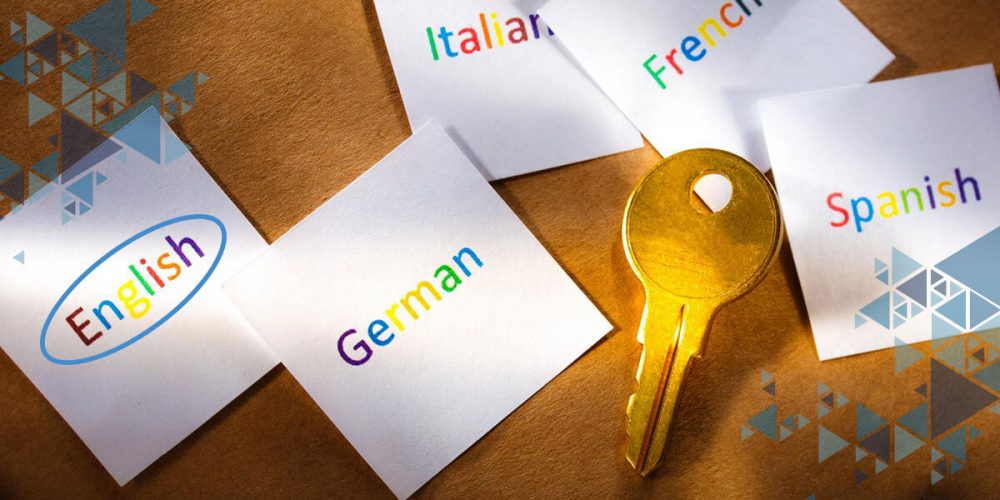
It is no secret to anyone that the Bulgarian language is full of foreign words, but have you asked to what extent the English language has entered our speech? There is no way that you have not paid attention to words like "chats", "surfing", "copy-paste", "post", "like", etc. The explanation is logical, computers and the Internet have crept into our daily lives in an impressive way, along with all the English terms associated with them. The phenomenon is quite normal given that speech is alive and as such is constantly changing. What is disturbing, however, is when we use words we do not understand. English is not only present in Bulgarian speech, wherever you go saying "stop", "jinsi", "tennis", "golf", "weekend", "bar" you will be understood. The most fun is when the English language is combined with the local. In Japanese alone, for example, 20,000 anglicisms are presentenough to have a special word for them, and it is Japlish (English + Japanese). Here are the examples: "erebata" (elevator), "apputodeito"(up-to-date), "biiru" (beer), "isukrimu" (ice cream) and "esukareta" (escalator). Of course, the Japanese aren't the only nation that re-enacts the English language. Ice cream in Poland is called "ajskrym" (ice cream), hairstyle in Ukraine is "herkot" (haricut), and in Lithuania they use the word "muving pikserus" to say film (in English it is "moving pictures", which literally means "moving pictures"). Interesting is the phenomenon in Germany, where many of the words are invented with a direct analogue from the English language such as "Pullunder" (from "pullover", meaning sweater), "Twens" (from "teens", meaning teenagers) or the completely new words "handy" (mobile phone) and "dressman" (male dummy). Particularly curious is the long-standing relationship between English and French. For centuries, the flow of words between the two languages was one-way: from French to English. Yes, but since the middle of the 21st century things have changed and more and more words in English find their application in French: between 1% and 5%. And although the French are the biggest purists in terms of their language, even in France around every corner you will hear words like "le marketing", "le gadget", "le self-service", "le shopping", etc.